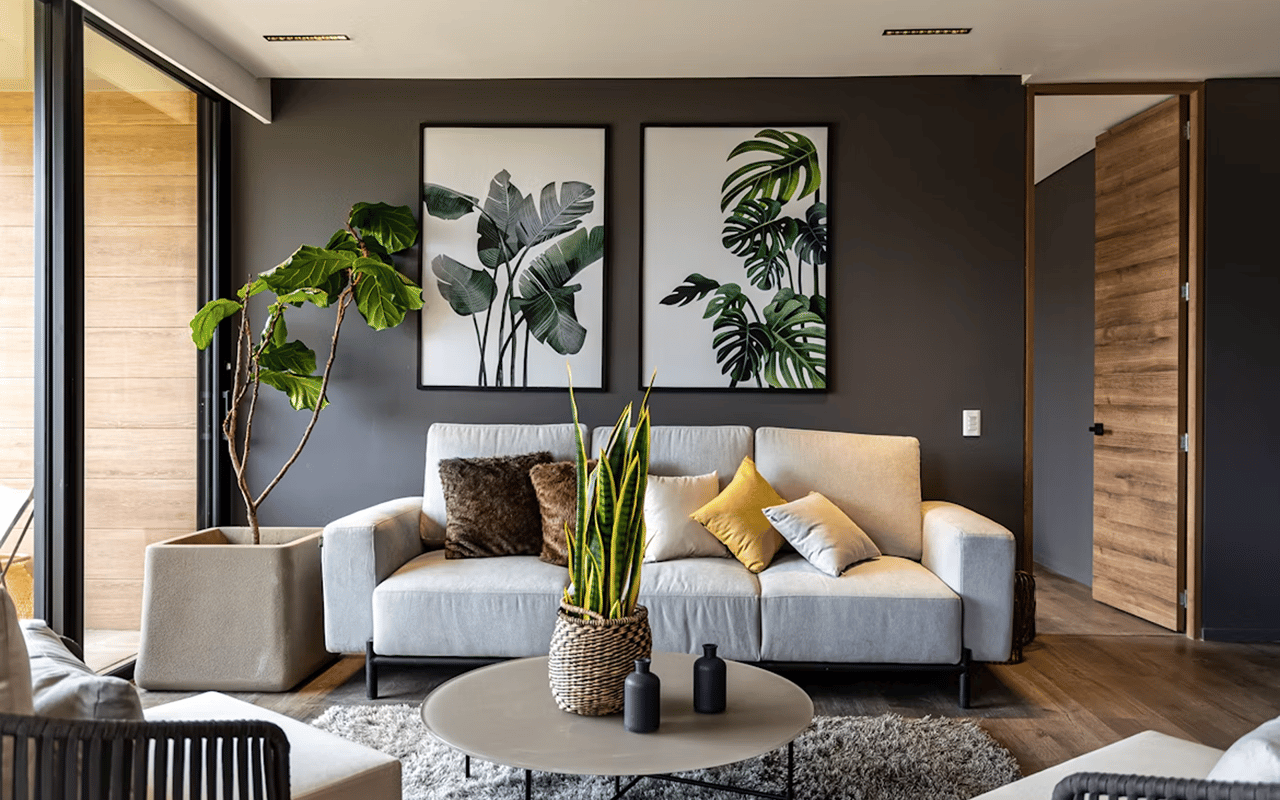
By Christie's International Real Estate Costa Rica
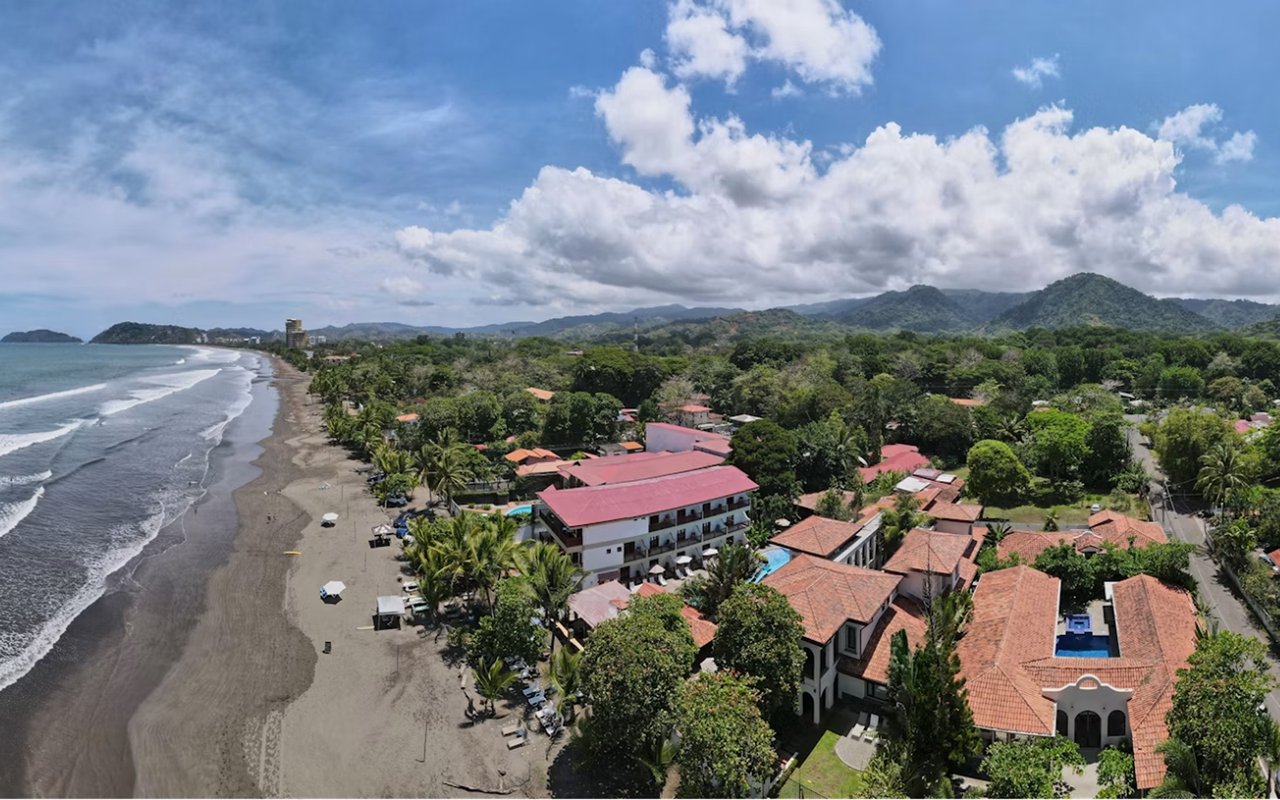
We hear from a lot of homeowners across Guanacaste, Nosara, and Manuel Antonio who want to know how to improve home air quality once they settle into life here full time. Between humidity near the coast and dust during the dry season, Costa Rica's climate brings its own set of challenges indoors. A few thoughtful changes can make a noticeable difference in how a home feels day to day.
Key Takeaways
- Learn how to manage humidity before it leads to bigger issues indoors.
- Discover which ventilation choices work best with Costa Rica's climate.
- Find out how to filter dust, pollen, and outdoor pollutants effectively.
- Understand how plants and natural materials can support cleaner air.
Manage Humidity Before It Becomes A Problem
Humidity is one of the biggest air quality challenges for homes near Manuel Antonio and along much of the Pacific coast. Getting ahead of it is one of the most effective ways to improve home air quality in a tropical climate.
Why Humidity Control Comes First
Excess moisture indoors can lead to mold, mildew, and musty odors if it isn't managed early.
- Use a dehumidifier in rooms that stay consistently damp.
- Run bathroom and kitchen exhaust fans during and after use.
- Check for leaks around windows and roofs regularly.
- Keep closets and storage areas ventilated rather than sealed tight.
Managing humidity early prevents a lot of the air quality issues homeowners deal with later. It also protects furniture, wood finishes, and building materials from long term damage.
Choose Ventilation That Works With The Climate
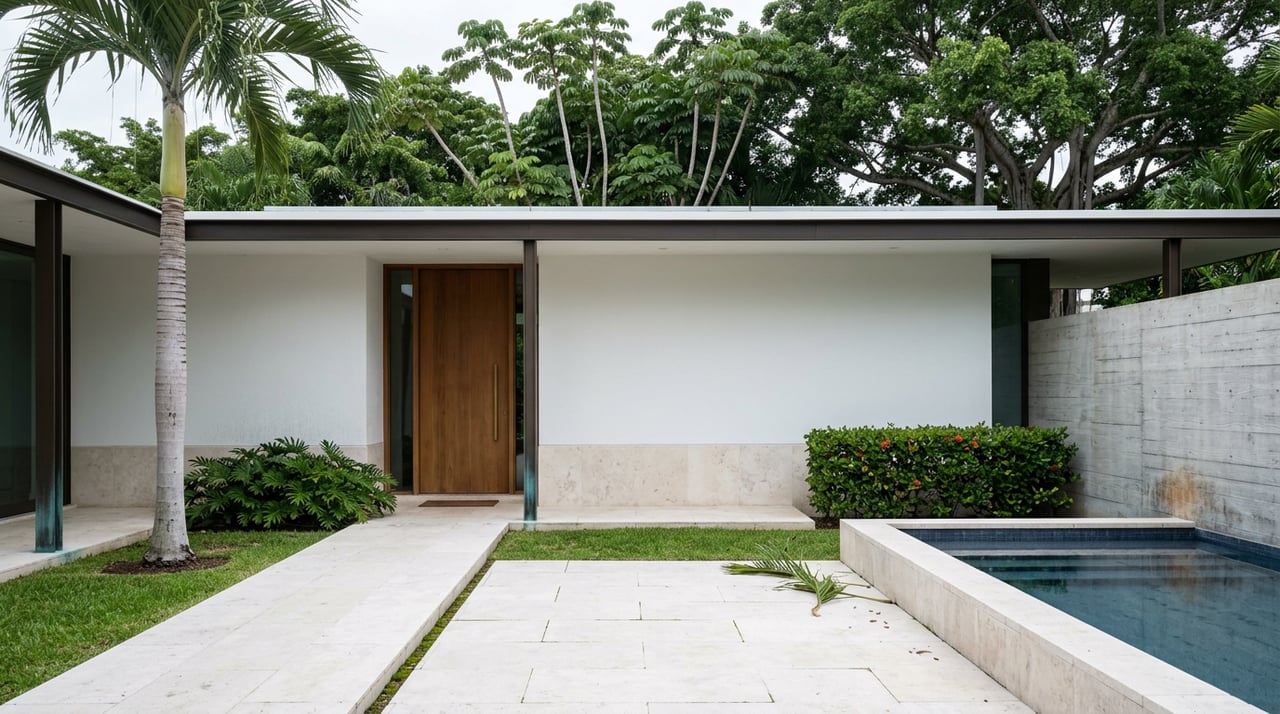
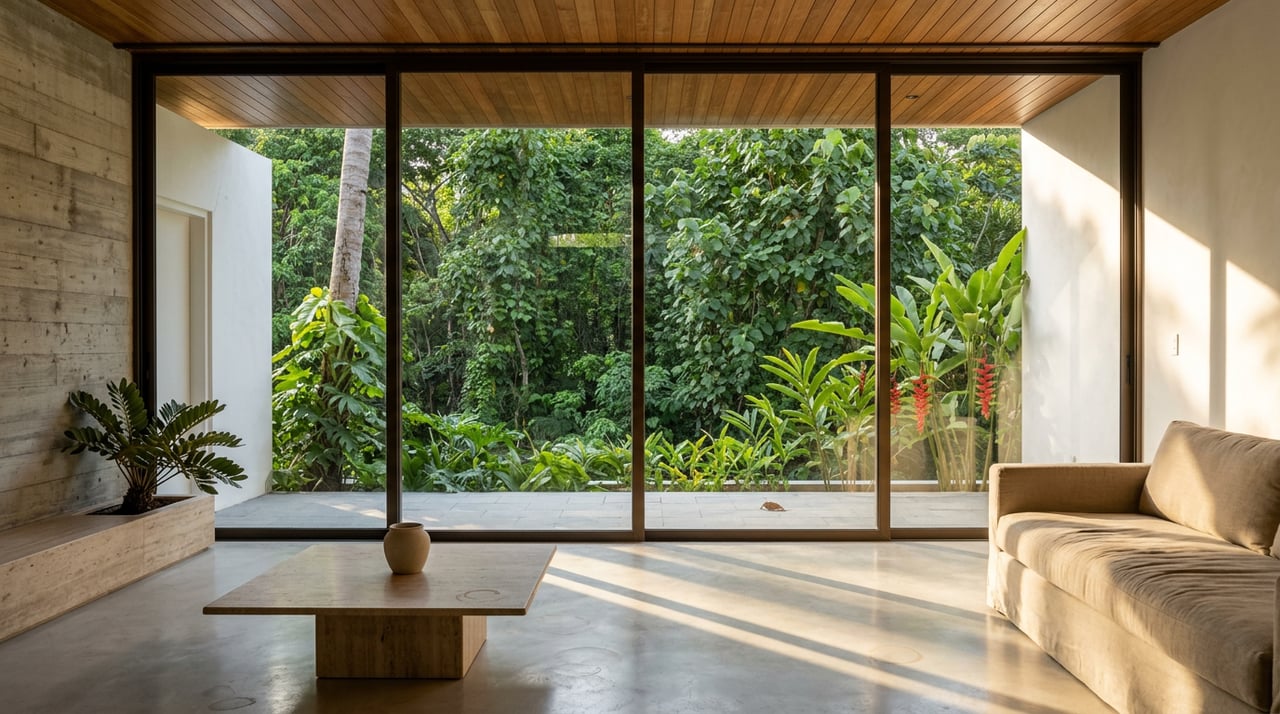
Many homes throughout Guanacaste and the Papagayo Peninsula are designed with open air living in mind, and that design choice plays a big role in air quality. We help homeowners think through ventilation as part of the bigger picture, not an afterthought.
Why Ventilation Design Matters So Much Here
Good airflow keeps indoor air fresh without relying entirely on air conditioning.
- Take advantage of cross ventilation where windows and doors allow it.
- Use ceiling fans to keep air moving in open living spaces.
- Position furniture so it doesn't block airflow near windows or vents.
- Clean and maintain air conditioning units regularly if your home relies on them.
Thoughtful ventilation keeps a home feeling comfortable while supporting better indoor air overall. It's often one of the most overlooked parts of home design in this climate.
Filter Out Dust, Pollen, And Outdoor Pollutants
Dry season dust near Guanacaste and pollen from the surrounding tropical landscape can both make their way indoors easily. Filtering these out is a key part of any plan to improve home air quality here.
Why Filtration Deserves Regular Attention
Outdoor particles accumulate quickly in homes with a lot of open windows or natural airflow.
- Change air conditioning filters more often during the dry season.
- Use a portable air purifier in bedrooms or high traffic living spaces.
- Keep entryways clean to reduce dust tracked in from outside.
- Vacuum with a filter designed to capture fine dust and pollen.
Staying on top of filtration keeps indoor air noticeably cleaner throughout the year. It's a simple habit that makes a real difference for anyone sensitive to dust or allergens.
Bring In Air Purifying Plants And Natural Materials
Costa Rica's natural surroundings make it easy to bring air improving elements indoors, from Nosara to Santa Teresa. We often recommend simple, natural additions that support both air quality and the overall feel of a home.
Why Natural Elements Make A Real Difference
Certain plants and materials can help filter indoor air while fitting naturally into a tropical home's design.
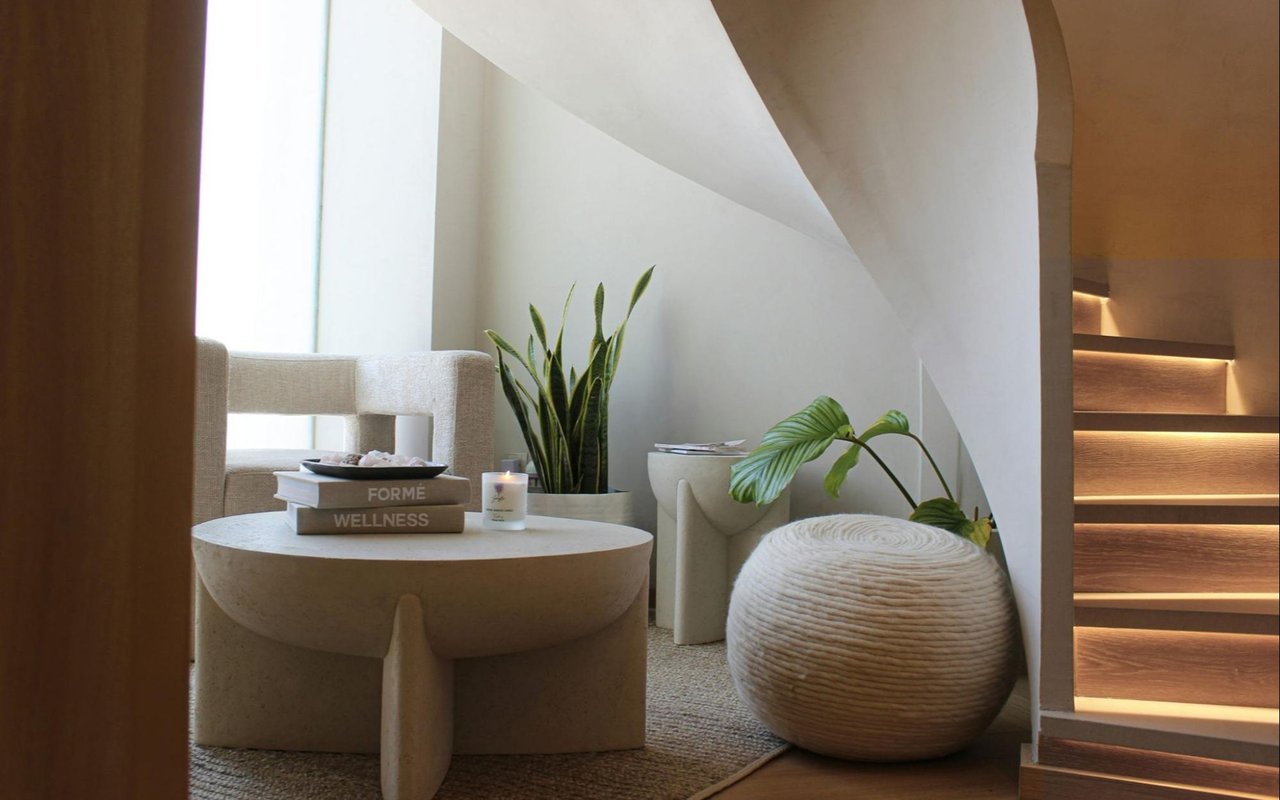
- Add plants known for improving indoor air quality, like peace lilies or areca palms.
- Choose natural fiber rugs and furnishings over synthetic materials when possible.
- Avoid heavily scented cleaning products that can affect indoor air.
- Open windows regularly to let fresh air circulate through the home.
These small additions bring a little more of the outdoors in without sacrificing air quality. They also tend to fit naturally into the relaxed, open feel of homes throughout this region.
Frequently Asked Questions
Is humidity a bigger issue in some parts of Costa Rica than others?
Yes, coastal areas near Manuel Antonio and the Pacific tend to see more humidity than drier regions like Guanacaste. We help homeowners tailor their approach based on where their home is located.
Do open air homes have worse air quality than fully enclosed ones?
Not necessarily, open air homes often benefit from natural ventilation that keeps indoor air fresh. The key is managing humidity and dust so the airflow works in your favor rather than against you.
How often should we replace air filters in a Costa Rica home?
We generally recommend checking filters monthly and replacing them more frequently during the dry season when dust levels rise. Homeowners near Papagayo or Guanacaste often need to stay especially consistent with this.
Reach Out to Christie's International Real Estate Costa Rica
We believe a home should feel as good to live in as it looks, and air quality plays a bigger role in that than most homeowners expect. Our team pays attention to details like this because they shape how much you actually enjoy the home you've chosen.
If you have questions about a property's design or want guidance on navigating the Costa Rica real estate market, reach out to Christie's International Real Estate Costa Rica. Our team would be thrilled to help.