By Christie’s International Real Estate Costa Rica
Buyers who come to Costa Rica have usually seen plenty of beautiful houses somewhere else first. What stops them here tends to be something they couldn’t have found at home, and it’s rarely the thing a listing sheet leads with. Our agents have sat through enough first walkthroughs to know which details produce an actual reaction, and there turn out to be about five of them.
Key Takeaways
- The features that move buyers here are the ones that tie the house to the climate.
- Most are far easier to build in than to add later, which matters at the design stage.
- Sellers rarely need to add anything, since the work is usually in presenting what’s already there.
- The mix shifts by region, so what reads as special in one town is standard in another.
Which Features Do Buyers React to First?
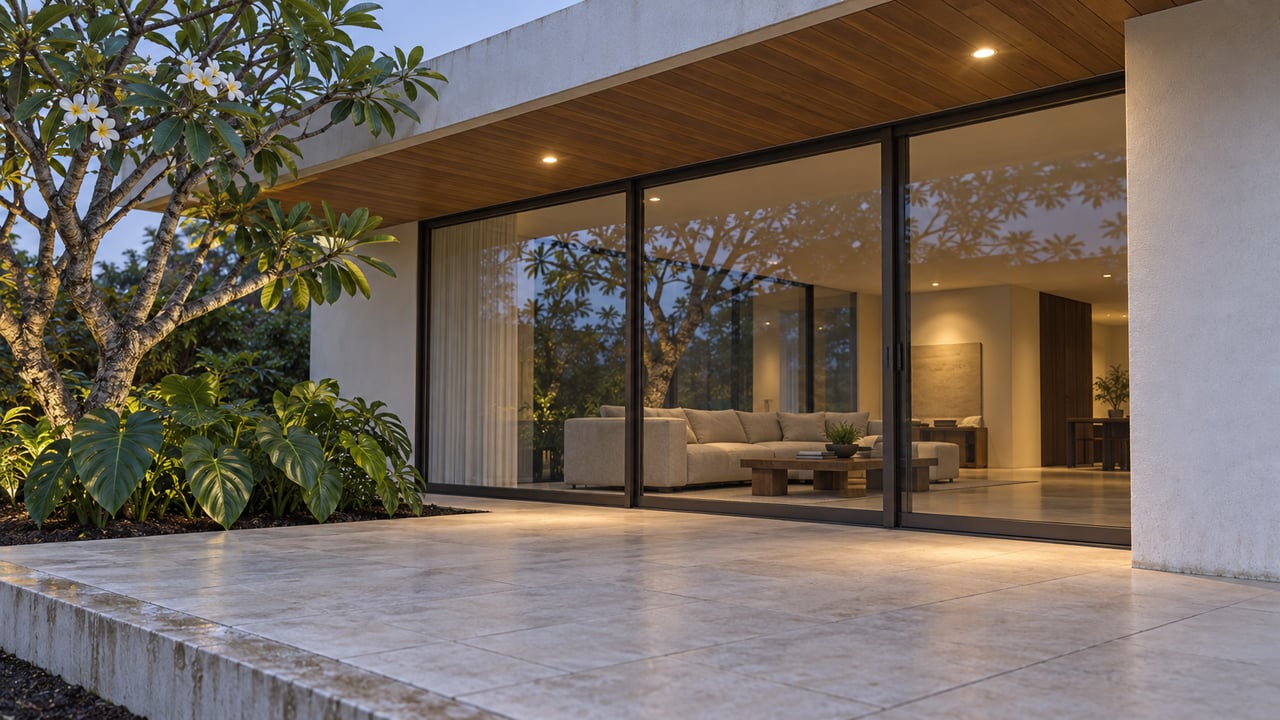
The rancho is the one that lands hardest. It gives a property a gathering place with a roof, a breeze, and no walls at all. Buyers tend to picture long lunches under it before they’ve finished walking the house. Deep covered terraces do similar work at a smaller scale, which is why those two together account for most of the reactions our agents see.
What Separates a Good One From an Afterthought
- Orientation that catches the prevailing wind rather than sitting in the lee of the main house.
- Enough depth under the roof for a full dining table to sit well back from the sun and rain line. “If it’s not covered, it’s not usable,” says our broker Robert Davey. We love to spend most of our time outdoors in covered living spaces, where the year-round climate is perfect for al fresco living. That is why generous overhangs and covered setbacks for exterior living areas are a must.
- Power, water, and a prep counter run out to it, which is what makes it a usable second kitchen.
- Flooring that stays cool underfoot through the hottest part of the afternoon.
- Roof height that lets heat rise and escape instead of collecting over the table.
What Makes an Outdoor Shower Worth Having?
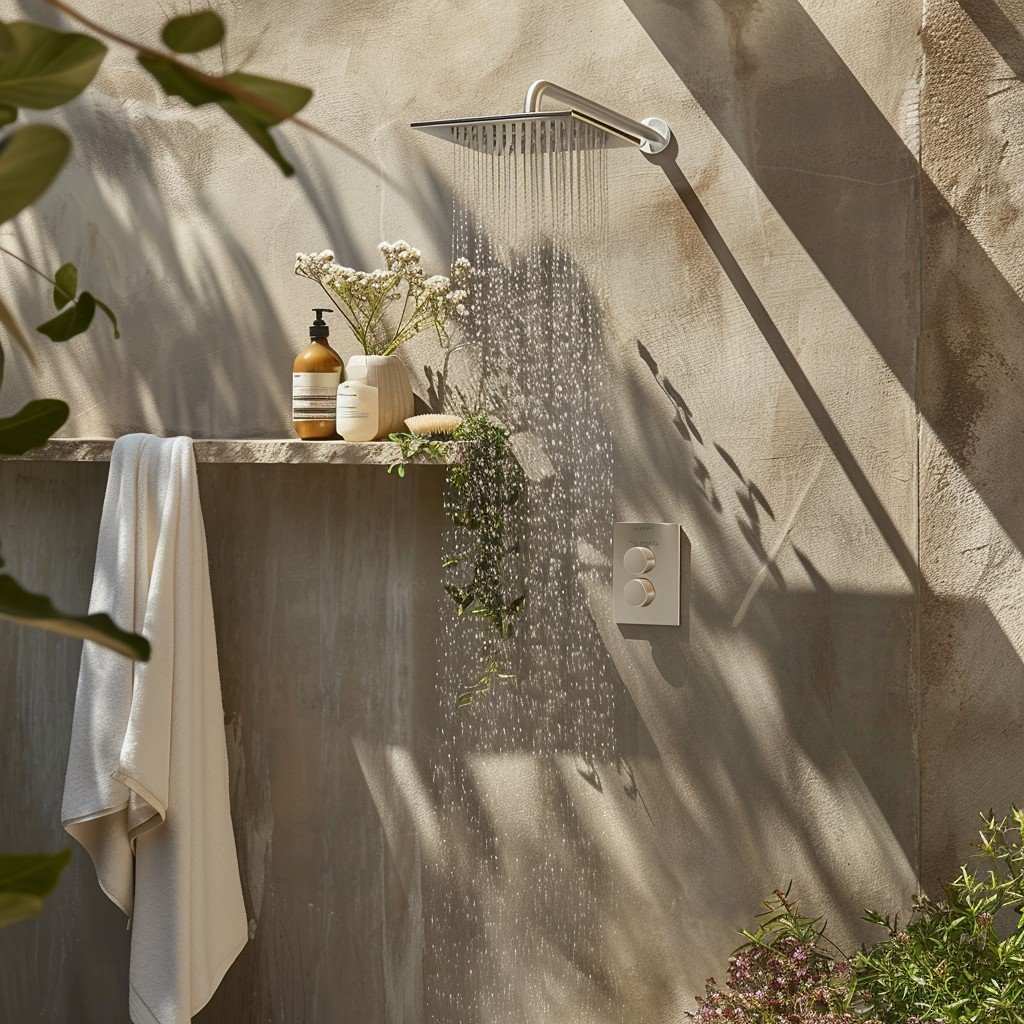
Almost every buyer comments on the outdoor shower, and almost none of them walked in expecting to care about it. It belongs to the climate in a way that an imported finish never quite does, and for anyone coming back from the beach it solves a daily problem before it starts. The ones that work are sited as deliberately as any room in the house.
What to Look at Before You Fall for It
- Screening that gives real privacy, whether from planting, stone, or a short section of wall.
- Hot water runs out to it, since the best ones get used in the morning as well as after the beach.
- Drainage that carries water away from the foundation rather than letting it pool against the house.
- A position between the beach path and the door, so nobody tracks sand through the living room.
- Flooring that cleans easily and keeps its grip when it’s wet.
Why Does Local Hardwood Change How a Room Feels?
Ceilings and beams in locally milled hardwood give a room a warmth and a sense of origin that imported materials rarely reach. Buyers respond to it before they know quite what they’re looking at, and the effect carries through a whole house when the same wood turns up in doors, stairs, and built-ins. It also does the real work of framing a view, since an opening set into a warm ceiling reads very differently from a slider in a white wall.
Questions Worth Asking About the Wood
- Which species it is, since teak, guanacaste, and cristóbal each age differently in this climate.
- Whether the seller holds documentation showing the timber was legally sourced and milled.
- How the finish has been maintained, and on what schedule, in rooms left open to the air.
- Whether the primary suite has an opening framed toward the best view rather than toward the drive.
- How the window placement handles afternoon sun, which decides whether a room stays comfortable.
Which Features Make a Property Easier to Own?
Two features come up constantly with buyers who plan to spend real time in the country, and both are about flexibility. A casita gives you somewhere to put visiting family, a caretaker, or a rental guest without rearranging the main house around them. Solar capacity and water catchment appeal to owners who like knowing the property can look after itself through a quiet stretch of the year.
What Makes These Worth Real Money
- A separate entrance, kitchenette, and bath, which is what lets a casita work independently.
- Solar sized to the household rather than to a brochure, with an inverter arrangement you can inspect.
- Catchment capacity large enough to carry the house through the back half of the dry season.
- Storage that is secure, dry, and big enough for the boards, bikes, and gear coastal living accumulates.
Frequently Asked Questions
Do these features affect what a home sells for?
- They affect how quickly a home finds the right buyer, and the strongest examples support value directly. We’ll tell you which ones a particular property already has and whether any are worth adding before it goes on the market.
We’re building. Which should we prioritize?
- Start with the rancho and the terrace depth, because those are the hardest to add later and the cheapest to get right on paper. Our agents are glad to look at plans with you and point out where a small change now pays off considerably.
Electrical plan? Take as much time as necessary to think through everything you may need power for, because this is one of the most common places where custom homes in Costa Rica fall short. Many local architects deliver an electrical plan that meets code but was drawn without knowing how you will actually live in the home. Outlets end up behind where the bed will go, switches land on the wrong side of the door, and the terrace you will use every day has a single outlet in the wrong corner. Once the walls are finished and plastered, fixing these mistakes is expensive and disruptive, so the time to get it right is on paper.
Start with the standard locations, which should still be triple-checked for correct outlet spacing, outlet height from the floor, and light switch placement. The best way to do this is to place your furniture on the floor plan first, then walk through each room and imagine a normal day: where you charge your phone, where the lamps go, where you reach for a switch when you walk in at night.
Then go beyond the basics. Plan for power to motorized window treatments such as blinds and drapes, TOTO-style bidet toilets, under-counter outlets in kitchens and workstations, and floor outlets in living areas where furniture floats away from the walls. Think about your covered outdoor living spaces, which deserve the same attention as your interior rooms: weatherproof outlets, ceiling fans, outdoor kitchen appliances, and lighting. Consider dedicated circuits for air conditioning units, pool and water pump equipment, and any 220V appliances, as well as power for security cameras, Wi-Fi access points, landscape lighting, and a future electric vehicle charger. Ask about surge protection and backup power from the start, since power outages and surges are a reality in many parts of Guanacaste, and running empty conduit now for future needs such as solar panels costs very little compared to opening walls later.
Smart power locations can change the whole ease of use of your household. Our broker Robert Davey considers the electrical plan one of the most important conversations to have with our custom home clients, every bit as important as designing generous covered outdoor living areas. Review the electrical plan line by line with your architect and electrician before construction begins, and do not assume anything has been included unless you see it on the drawings.
Are these common everywhere on the coast?
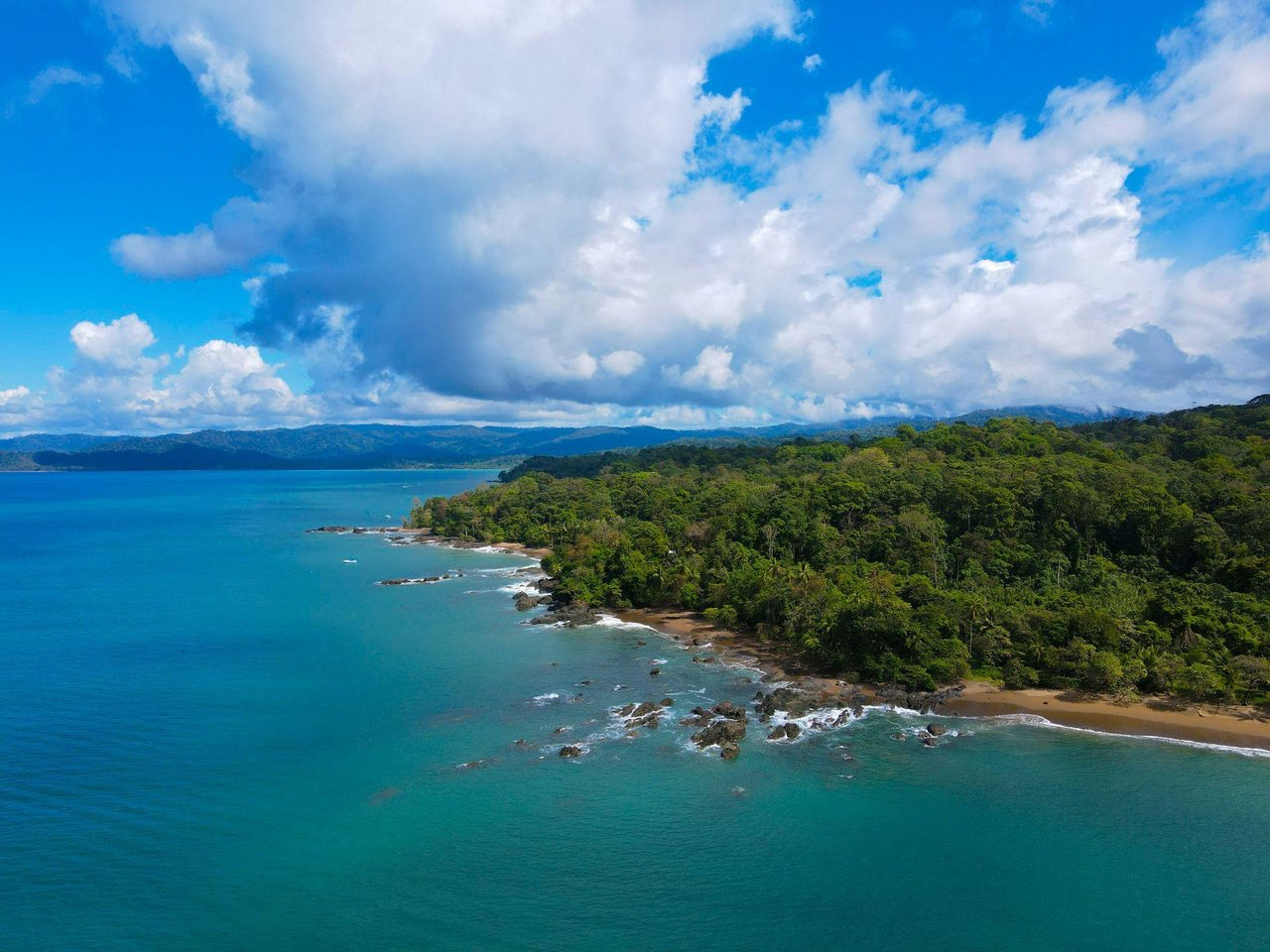
The mix shifts by area, and our agents can tell you what counts as standard in each. Properties in Tamarindo and Flamingo read differently from those in Nosara or the South Pacific.
Reach Out to Christie’s International Real Estate Costa Rica Today
The details that move buyers here are the ones that make a house feel like it belongs to this coast rather than to anywhere else. Our agents walk these properties every week and can tell you quickly which of them a home already has working in its favor.
If you’re buying, building, or preparing to sell along the Pacific coast, reach out to Christie’s International Real Estate Costa Rica. We’ll go through the property with you and talk about what buyers in your area respond to, and you can browse current listings whenever you’d like to see the difference in person.