By Costa Rica Christie's International Real Estate
The dream of owning a vacation home in Costa Rica is one that thousands of buyers turn into reality every year. The country offers natural beauty, strong property rights for foreigners, and a lifestyle that is difficult to replicate anywhere else. Whether you're drawn to the Pacific beaches of Guanacaste, the hillsides of the Central Valley, or the dramatic coastline of the Southern Pacific, here is what every serious buyer should understand before starting the search.
Key Takeaways
-
Foreigners can own titled property in Costa Rica with the same rights as citizens, making it one of the most accessible markets for international buyers
-
The Maritime Zone Law governs all land within 200 meters of the high tide line, and understanding titled versus concession property is essential in any coastal purchase
-
Guanacaste remains the most active market for vacation home buyers, with direct international air access and strong short-term rental demand along the North Pacific coast
-
Property taxes in Costa Rica are approximately 0.25% of the registered municipal value annually, among the lowest in the region
What Foreigners Can Own and How
Costa Rica is one of the few countries in Latin America where foreigners enjoy the same property ownership rights as citizens. Fee simple title, the strongest form of ownership, allows you to buy, sell, lease, or pass the property to your heirs without restriction. You do not need to be a resident to purchase property, and residency is not required to collect rental income.
The one area where additional rules apply is the coast. The Maritime Zone Law governs all land within 200 meters of the high tide line. The first 50 meters are public land and cannot be privately owned. The next 150 meters fall under the restricted zone, where property is typically held under a government concession rather than full title. Foreigners who are not Costa Rican residents can only hold up to 49% of a concession property, so confirming which ownership type applies to any property you're considering is one of the most consequential steps in the purchase process.
The one area where additional rules apply is the coast. The Maritime Zone Law governs all land within 200 meters of the high tide line. The first 50 meters are public land and cannot be privately owned. The next 150 meters fall under the restricted zone, where property is typically held under a government concession rather than full title. Foreigners who are not Costa Rican residents can only hold up to 49% of a concession property, so confirming which ownership type applies to any property you're considering is one of the most consequential steps in the purchase process.
What Buyers Need to Confirm Before Making an Offer
-
Verify whether the property is titled and registered in the National Registry or whether it sits within the Maritime Zone under a concession arrangement
-
If the property is concession land, confirm the current status of the concession, its expiration date, and the renewal terms with the relevant municipality
-
Confirm that all structures on the property are properly permitted and legally built
-
Hire a bilingual Costa Rican real estate attorney who is also a public notary, as only a licensed notary can record a purchase in the National Registry
Choosing the Right Region
Costa Rica's topography creates distinct regions with different climates, price points, and lifestyle profiles. Choosing the right region for how you plan to use the property is the most important decision a vacation home buyer makes before the search begins.
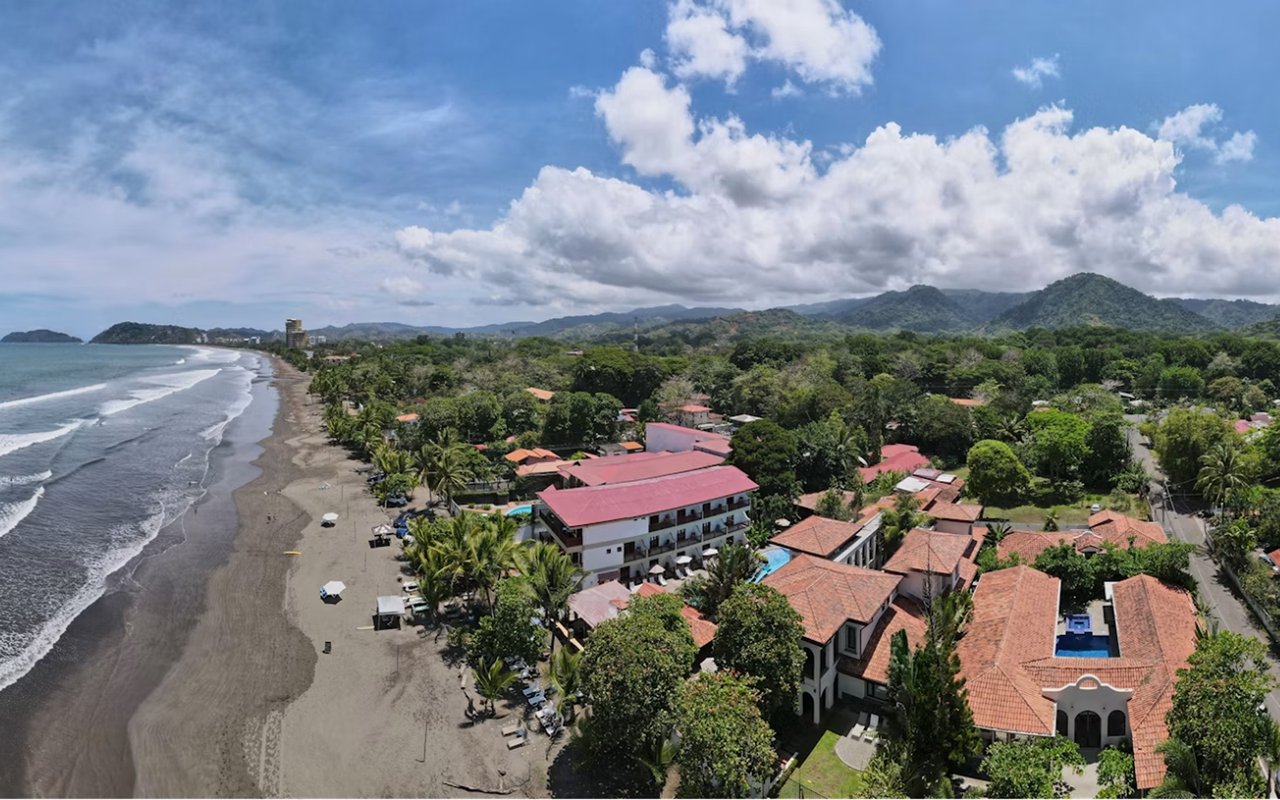
Guanacaste on the North Pacific coast is the most active market for international buyers. The region has direct international air access through Daniel Oduber Quirós International Airport in Liberia, a dry climate from November through April, and a well-established network of luxury communities. The Central Pacific, anchored by Jacó and Manuel Antonio, offers proximity to San José and consistent year-round rental demand. The Southern Pacific, including Dominical and Uvita, draws buyers seeking a quieter setting with lower entry prices than the north.
Guanacaste on the North Pacific coast is the most active market for international buyers. The region has direct international air access through Daniel Oduber Quirós International Airport in Liberia, a dry climate from November through April, and a well-established network of luxury communities. The Central Pacific, anchored by Jacó and Manuel Antonio, offers proximity to San José and consistent year-round rental demand. The Southern Pacific, including Dominical and Uvita, draws buyers seeking a quieter setting with lower entry prices than the north.
A Region-by-Region Overview for Vacation Home Buyers
-
Guanacaste, North Pacific: The most established market for vacation home buyers, with direct international air access, strong rental yields in communities like Tamarindo and Flamingo, and the broadest selection of luxury inventory in the country
-
Central Pacific: Well-connected to San José via Route 27, with communities ranging from the surf-focused energy of Jacó to the lush, wildlife-rich surroundings of Manuel Antonio, with consistent rental demand year-round
-
Southern Pacific: Lower entry prices and a more remote lifestyle in areas like Dominical and Uvita attract buyers seeking privacy over amenity density
-
Central Valley: Communities like Escazú and Atenas offer a cooler mountain climate, proximity to excellent healthcare in San José, and a strong expat community
The Rental Income Opportunity
Many vacation home buyers in Costa Rica plan to generate rental income when the property is not in personal use. Popular coastal destinations attract international visitors year-round, and short-term rental demand in well-located properties is consistent. Costa Rica does not require residency to collect rental income, and non-resident foreign owners can legally earn and receive rental proceeds from abroad.
There are practical requirements worth understanding before factoring rental income into your projections. Rental income earned from Costa Rican property is considered Costa Rican-source income and must be reported to the Ministerio de Hacienda. Short-term vacation rentals may also be subject to the 13% value-added tax, and buyers should confirm that community or HOA rules permit short-term rental use before purchasing with that intent.
There are practical requirements worth understanding before factoring rental income into your projections. Rental income earned from Costa Rican property is considered Costa Rican-source income and must be reported to the Ministerio de Hacienda. Short-term vacation rentals may also be subject to the 13% value-added tax, and buyers should confirm that community or HOA rules permit short-term rental use before purchasing with that intent.
What to Understand About Rental Income Before You Buy
-
Confirm that the property's zoning and any applicable HOA or community rules permit short-term vacation rental use before making an offer
-
Budget for property management fees of approximately 20% to 30% of gross rental revenue for active management, including marketing, guest services, cleaning, and maintenance
-
Obtain a Costa Rican tax identification number (cedula juridica or NITE) to properly report rental income and comply with current digital platform reporting requirements
-
Long-term net rental yields in Costa Rica typically range from 3.5% to 5% annually, with well-managed short-term rentals in high-demand coastal areas reaching higher at proportionally higher operating costs
FAQs
Do we need a Costa Rican corporation to buy a vacation home?
Not necessarily. For titled property outside the Maritime Zone, foreigners can own property in their own name with full fee simple rights. Many buyers still choose to purchase through a Costa Rican corporation for liability separation and easier future transfers. Your attorney can advise on the structure that best fits your goals.
What are the total closing costs when buying a vacation home in Costa Rica?
Buyers should budget for closing costs of approximately 3% to 5% of the purchase price. This includes transfer tax and registration fees of approximately 1.5%, plus legal and notary fees.
What is the best time of year to visit Costa Rica before buying?
Visiting during both the dry season (November through April) and the rainy season (May through October) gives the most complete picture of how a property and its surroundings perform year-round. Road conditions, drainage, humidity, and access can change significantly between seasons.
Contact Costa Rica Christie's International Real Estate Today
Buying a vacation home in Costa Rica is one of the most rewarding decisions our clients make, and having the right team from the start makes all the difference. At Costa Rica Christie's International Real Estate, we represent buyers and sellers across every region of the country.
When you're ready to move from dreaming to buying, reach out to us at Costa Rica Christie's International Real Estate to start the conversation.
When you're ready to move from dreaming to buying, reach out to us at Costa Rica Christie's International Real Estate to start the conversation.