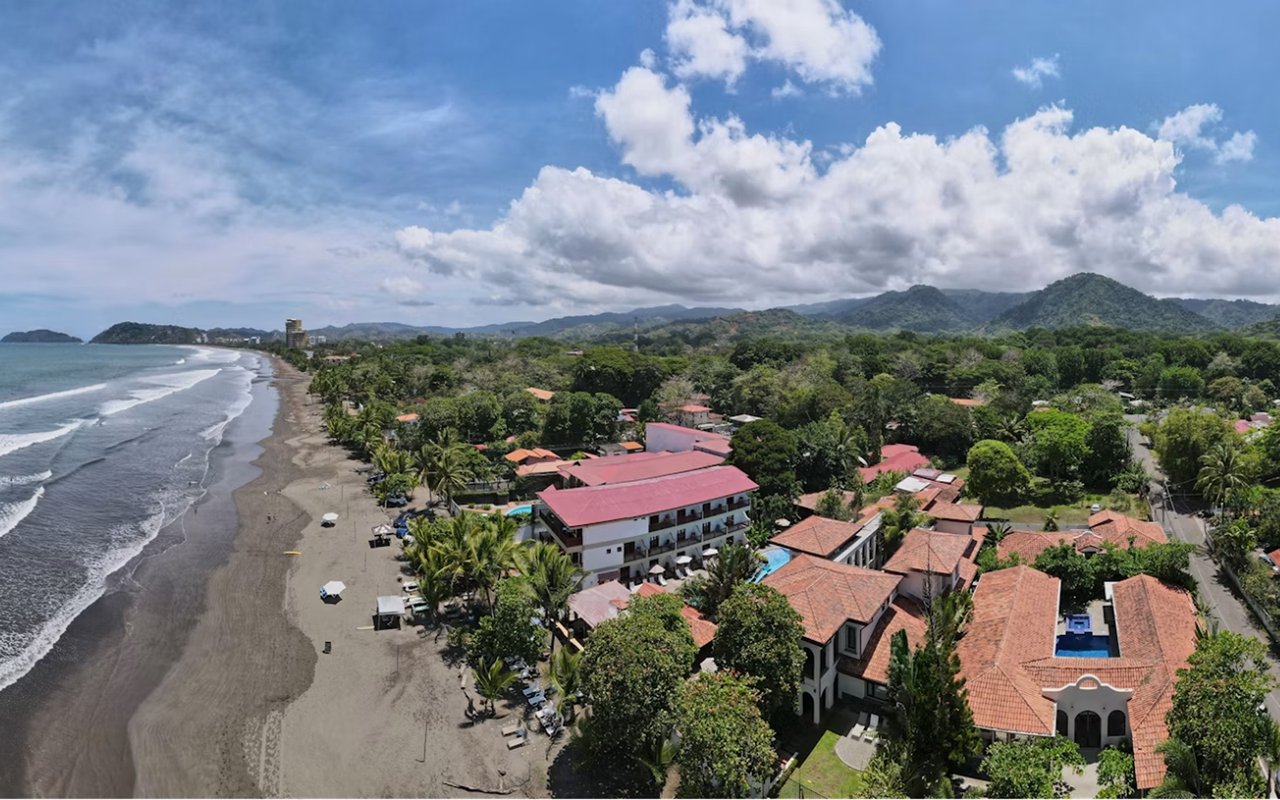
Most buyers arrive in Playa Flamingo with a single image in mind: yachts at anchor, the reopened marina, sunset dinners at The Plaza. That image is doing more work in the pricing than the fundamentals justify. The actual scarcity in this market sits a few hundred meters uphill, on the titled ridges where Flamingo's oldest and most durable inventory has been quietly absorbing the wider Guanacaste correction.
The thesis is simple. In 2026, the reopening of Marina Flamingo has produced a two-tier market where marina-adjacent condominiums carry a manufactured premium, while ridge villas hold the province's rarest legal structure. Buyers who understand which tier they are actually purchasing into can negotiate against a very different set of comparables than the ones the marina brochures suggest.
The correction that softened the ridges
Guanacaste has been repricing. In places like Guanacaste, median home values dropped from peaks above $900,000 in 2024 to around $533,000 by early 2025. The luxury tier ran hotter and fell harder. The historical price swings Guanacaste has experienced over the past decade include a dramatic 400% surge from 2020 to 2023 during the pandemic boom, followed by a roughly 30 to 35% correction in the luxury segment through 2024 and into 2025.
That correction reshaped the leverage on Flamingo's ridge homes. Inventory is deep and sellers have moved off peak asks. Estimated inventory levels suggest roughly 8–12 months of supply, compared to 4–6 months in a balanced market. Price reductions of 5%–15% are increasingly common in properties above $800,000–$1M. As of early 2026, the estimated difference between listing price and actual closing price is about 7% lower at closing on average. A patient buyer, then, is not fighting a bidding war on the North or South Ridge. They are shopping a segmented, slow-moving inventory where turnkey and legally clean stock still moves fast and everything else waits.
Why Flamingo sidesteps the concession trap
The single most underappreciated fact about Flamingo is legal, not aesthetic. Costa Rica's coastline is largely governed by the Maritime Zone. The Maritime Zone (Zona Maritimo Terrestre) extends 200 meters from the high-tide line, with the first 50 meters being public land that nobody can own in Costa Rica. The next 150 meters is concession, not ownership. Only foreigners who have resided in Costa Rica for at least five years can hold majority ownership in a coastal concession property under the ZMT law.
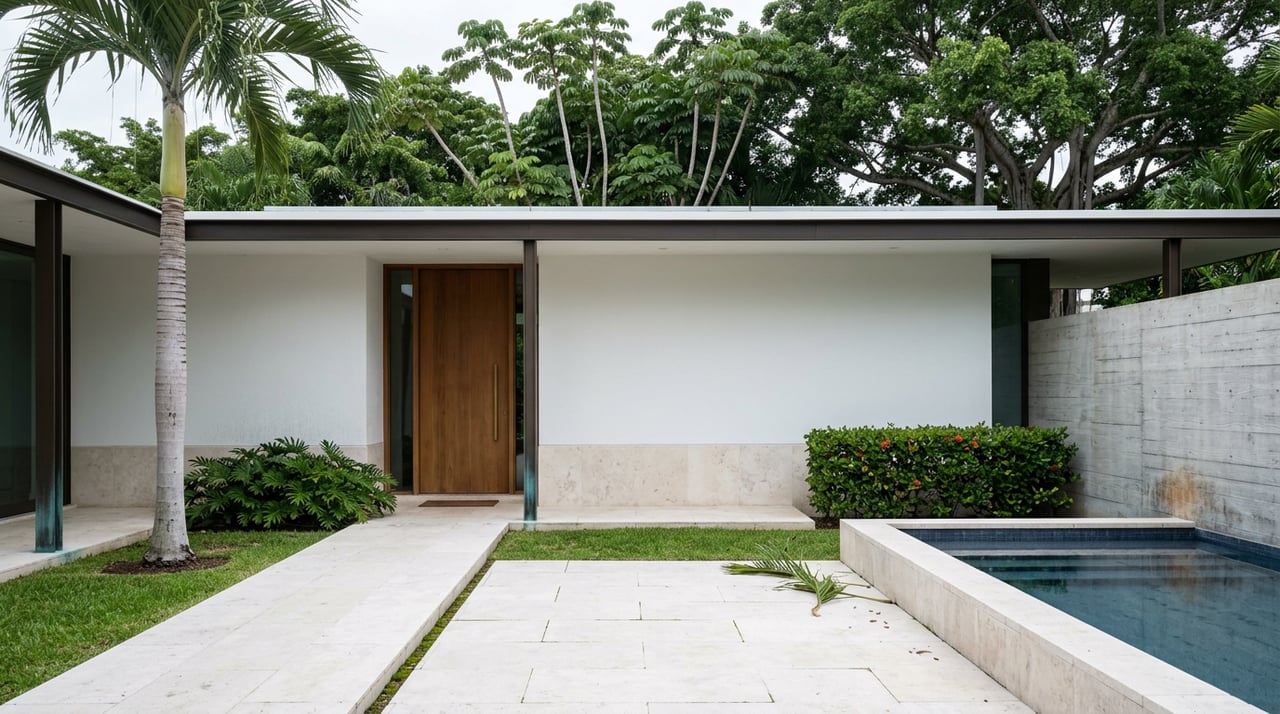
That structure is what quietly complicates so much "beachfront" inventory elsewhere on the Pacific. Flamingo is different because its residential inventory sits on the two ridges above the beach, most of it titled fee simple. Consider what that changes for an international buyer:
- Ownership form. As of early 2026, foreigners can legally purchase and fully own titled (fee-simple) residential property in Costa Rica with the exact same rights as Costa Rican citizens, including the ability to sell, lease, mortgage, or inherit the property freely.
- Renewal risk. Concessions carry it. Titled property does not. While concessions are typically renewable and, in practice, most are renewed as long as all requirements are met, renewal is not automatic. Each renewal requires municipal approval and compliance with zoning plans, environmental regulations, payment of fees, and fulfillment of the approved project purpose.
- Corporate structure. A local corporation cannot be used to work around the coastal restriction. Using a Costa Rican company to hold property does not bypass coastal concession restrictions if the entity has more than 50% foreign ownership.
The ridges of Flamingo, along with Mar Vista, Altos de Flamingo, and Las Catalinas to the north, are where a buyer can hold Guanacaste ocean views under the same legal instrument they would recognize from Florida or California. That is the scarcity the correction has made accessible.
The marina premium, tier by tier
The Marina Flamingo reopening is a genuine catalyst. The rebuilt facility is planned around over 200 boat slips, a hotel with 130+ rooms, a convention center holding up to 800 people, and an area for shopping and restaurants. New towers have priced that catalyst in.
Here is how the pricing actually breaks down across Flamingo inventory in 2026:
| Segment | Typical Entry | Ownership Form | What Drives Price |
|---|---|---|---|
| Ridge ocean-view condo | From ~$250,000 | Titled | View corridor, HOA quality |
| Ridge villa | $1M to $5M+ | Titled | Lot size, ocean frontage, finishes |
| Marina-view condo (new build) | Mid-six figures to $4.5M | Titled or concession-adjacent | Marina exposure, furniture package, rental narrative |
| Premier estate | $5M+ | Titled | Beach access, acreage, brand |
The condo range is broad by design. Luxury homes and villas from 1 million USD and above, with premier estates exceeding 5 million USD. Condos start at $250,000 for a 1 bedroom and go up to $4.5M for luxury 4 bedroom penthouses soaring above the Marina. New marina-adjacent towers are being launched with turnkey packaging that further blurs the underlying land value. Flamingo Marina Tower, for example, is a single-tower project with a curated furniture package included at closing, part of a broader strategy to sell the marina lifestyle as a bundled product rather than a piece of Guanacaste real estate.
Read those numbers against the province's correction and a pattern surfaces. The ridge tier is where sellers have absorbed most of the reset. The marina-view tier is where the newest launches are testing whether the reopening can hold a premium that the rest of Guanacaste has largely given back.
The two frictions that quietly decide the deal
Water letters and the Nimboyores question
Title is one form of certainty. Water is another, and in Guanacaste it is often the binding constraint. Water availability in rural Guanacaste can be a bigger constraint than legal title issues, especially during the dry season from December to April. Any serious ridge or lot purchase should include a verified water letter as a condition, because a property without confirmed water access may face delays in building permit approval. For this reason, experienced investors prioritize verified water letters before closing.
The infrastructure story on top of that is genuinely bullish. The specific infrastructure projects driving demand in Guanacaste include the Route 21 widening and expansion near Liberia International Airport, and the Nimboyores coastal aqueduct project designed to bring reliable water supply to the Potrero through Tamarindo beach corridor. Flamingo sits inside that corridor. The typical price impact on nearby Guanacaste properties is that announcement alone can boost values by 5 to 10%, while completion of projects often adds another 10 to 20% over the long term as access and livability improve measurably.
The 20-year clock on concession-adjacent inventory
Not all "beachfront" Flamingo inventory is titled. Some of the most romantic listings sit inside the restricted zone, where concessions typically run for 20 years and can be renewed if the owner complies with the terms of the lease and local regulations. A concession can be an excellent instrument for the right buyer with the right project. It is a poor substitute for titled land purchased under the assumption that they are the same thing. Due diligence in Flamingo begins with confirming, in writing, which of the two the buyer is actually acquiring.
What negotiation looks like in mid-2026
The macro backdrop is not a crash. As of early 2026, the likelihood of a sharp property price crash in Guanacaste is low, though a selective dip of 5% to 10% in overbuilt condo segments or less desirable locations remains plausible over the next 12 months. The estimated downside-to-upside price change range for Guanacaste over the next year is roughly negative 5% to positive 8%. That is the profile of a market that rewards specificity, not speed.
Closing math is predictable. Costa Rica's transfer tax stands at 1.5% of the property value, and total closing costs for buyers typically range between 4% and 5.5% of the purchase price. Most transactions close within thirty to sixty days, depending on due diligence complexity and documentation review. On the sell side, well-priced turnkey homes still move quickly, while listings with title, water, or pricing gaps sit. The estimated current median days-on-market in Guanacaste is roughly 90 to 150 days for properly priced properties, with a realistic range spanning from 45 days for the most desirable turnkey homes to over 12 months for overpriced or legally complicated listings.
The buyer who wins in Flamingo in 2026 is the one who separates the marina narrative from the underlying legal instrument, walks the ridges with a broker who can read a plano catastrado, and treats the wider correction as leverage rather than a signal.
FAQ
Is Flamingo beachfront actually titled? Some of it is. The regions with the greatest concentration of titled beachfront properties include Guanacaste and the Pacific coast towns of Jacó, Santa Teresa, Tamarindo, Herradura, and Puntarenas. Flamingo has a small stock of titled beachfront, but most of the true beachfront strip nationwide remains concession. Verify with the Registro Nacional folio and the plano before assuming.
Can a Costa Rican corporation solve the concession restriction for a foreign buyer? Not on its own. Concessions cannot be granted to corporations that are not owned at least 51% by a Costa Rican citizen. Structures that appear to work around this often introduce more risk than they resolve.
Does buying property grant residency? Not automatically, though it can qualify. Investing at least $150,000 in Costa Rica real estate qualifies you for the Investor Residency program, though property ownership alone does not grant residency.
The Flamingo market rewards a slower, more forensic read. If you would like a private walk-through of ridge and marina-adjacent inventory, with title, water, and concession status confirmed before you make an offer, Costa Rica Resort & Estate Properties will arrange a discreet itinerary. Schedule a private viewing.