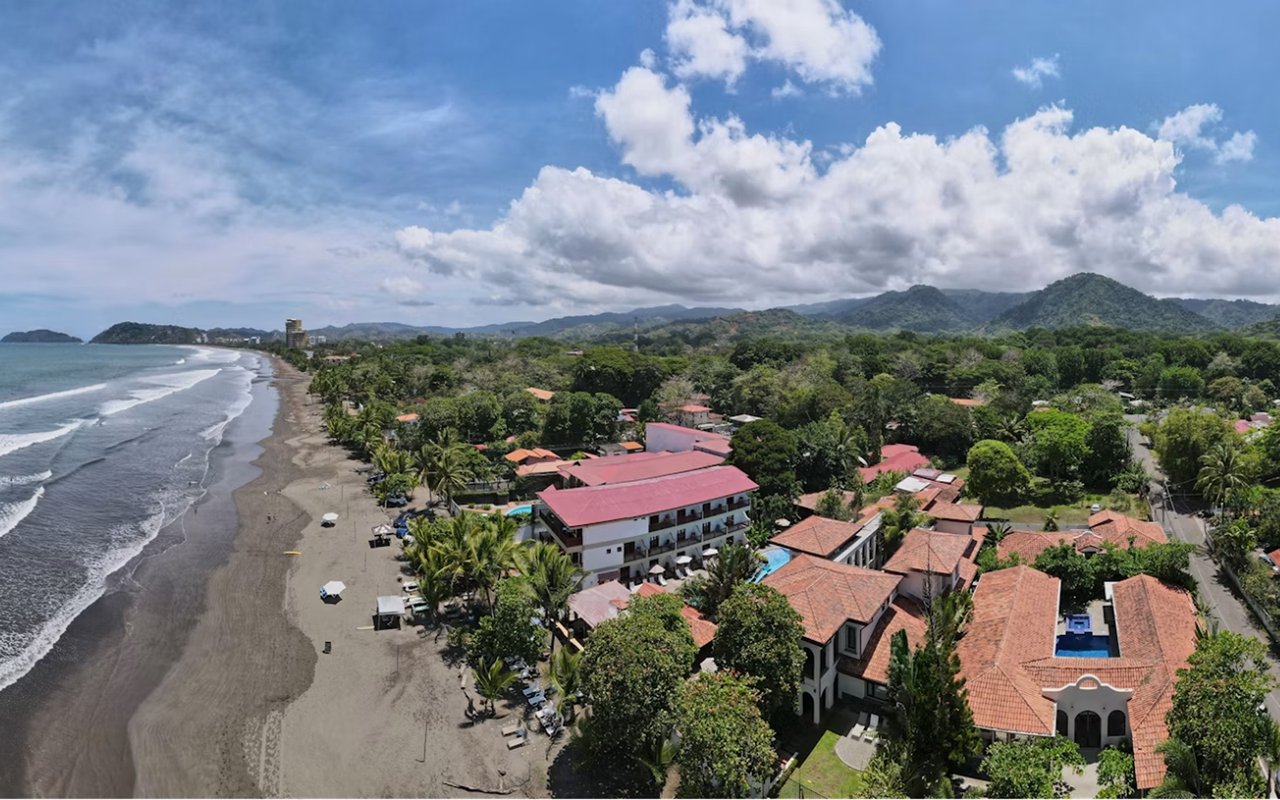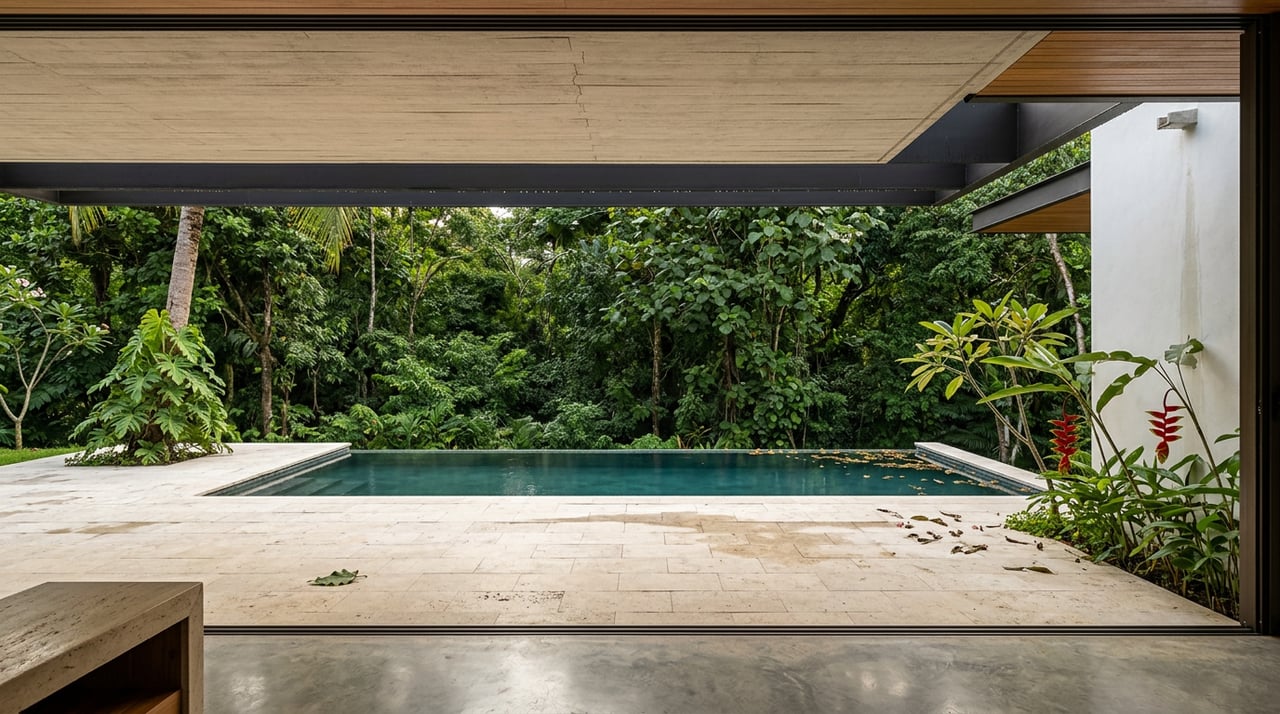
Step outside on a late June morning in Santa Teresa and the road tells you everything. The dust that powdered every windshield in April has been beaten down into a darker, firmer surface. The almond trees along the main road are heavy and noisy with birds. Half the rental ATVs that clogged Playa Carmen in February are parked under tarps behind their shops. The town has exhaled.
If you live here, you already know the shorthand. Green season is not the rainy inconvenience that the tourism blogs describe to visitors weighing a December flight. It is the half of the year when Santa Teresa belongs to the people who chose to stay. The thesis of this guide is narrow and worth stating up front: the next eight weeks contain the most underrated stretch of the entire calendar in Cóbano district, and the businesses, breaks, and community groups that operate through it are the ones worth knowing by name.
The veranillo is a planning tool, not a weather quirk
Costa Rica's Pacific coast runs on a binary calendar. The dry season holds from late November to about May, and the green season takes over from May to early November. Within that green half there is a smaller pattern locals call the veranillo — a stretch in July and the first weeks of August when the sun breaks back through and the afternoons go long and clear again. Casa Teresa's seasonal guide describes it as "a magical time during July and the first weeks of August" when "the sun breaks through, allowing for the best of both worlds," with jungle that has been fed by six weeks of rain still glowing in deep sage and emerald.
This matters because it changes how the next month should be scheduled. The full green-season payoff that the Casa Chameleon team likes to point out — south and southwest swells that locals in Mal País consider more consistent than dry-season conditions, early offshores followed by light sea breezes, and the occasional afternoon glass-off — arrives in the same window when the rain backs off enough that you can actually plan around it. The forecast app will keep lying to you. As Costa Rica Vibes puts it after years of repeat visits, the rainy-season forecast "will say rain all day every day. That is just completely false." Treat the app as decoration. Read the sky at 6 a.m.
Daytime temperatures in this window run noticeably cooler than the 95°F afternoons that bake the town in March and April, which is the part of the veranillo trade-off that nobody packages on a postcard. You can walk to dinner at 6 p.m. without arriving damp.
Which kitchens stay lit when the town empties out
The map of restaurants on the main road in February is not the map you are reading from in June. Many Santa Teresa kitchens close for the low season outright. The reservation pages on OpenTable and Tripadvisor will not flag this for you. The ones that stay open through the green months are doing it on purpose, and they are the ones that deserve a place in your rotation.
A short orientation for residents who have not been paying attention to recent openings and re-openings:
| Spot | Why it earns the green-season slot |
|---|---|
| Manzú at Hotel Nantipa | Open-air beachfront, recognized as an Ocean Friendly Business by Waterkeeper in 2024, and featured in The 50 Best Discovery the same year for its Rondón Stew — the coconut and seafood centerpiece of the six-course Pura Vida Tasting Menu. Sunset reservations get easier in July. |
| Somos Restaurant | Airstream-trailer kitchen at the base of the Somos surf hotel, 600 meters north of the main crossroads. Veggie-forward menu, in-house breads and condiments, all-day from 7:30 a.m. to midnight. The breakfast tacos are not negotiable. |
| Eat Street | Four-vendor open-air food hall under one roof — Sunrise Café for the morning pastry run, with the rest of the lineup covering cocktails into the night. Composts its takeaway containers and runs plastic-free bottles, which matters when the town's waste systems slow down with the rain. |
| Satori Sushi | Open-air sushi, sashimi, poke and ceviche from the same Pacific that you can see from your terrace. Some seating is on the ground, which is more fun than it sounds. |
| La Cevicheria | The unmarked-feeling shack on the main road that the visiting food writers all eventually find. Mixed tropical ceviche with fried shrimp and patacones, and a Mexichino red-snapper-and-octopus version that is the order to make. |
| Zulu | Israeli kitchen, fresh hummus, a shakshuka worth a midweek detour. The kind of menu that the green-season expat crowd defaults to when they need a break from rice and beans. |
| The Bakery | NY-style bagels, croissants, a salads-paninis-quiches lunch menu, and a 6 p.m. to 10 p.m. pizza and pasta service that runs through low season. Opens at 7 a.m. for the post-surf coffee. |
That list is short on purpose. There are other lights on around town — Casa Chameleon's hillside dining room runs through the green months with promotional rates that have hit 25 percent off peak season pricing, and Tripadvisor's May 2026 update still shows 108 restaurants on its Santa Teresa list — but the names above are the ones residents end up cycling through in July because their kitchens don't blink.
The break that justifies the 45-minute drive
The reason locals call green season the best surf of the year is not Playa Santa Teresa, which fires year-round. It is everything that opens up around it. The south and southwest swell pattern that runs from May through about October turns on breaks that go flat in the dry months. The most underrated of these is the Cabuya point break, which the Pura Vida Adventures team describes as the 45-minute jungle trek south of town where their van heads when "the weather and swell conditions are right." It is a long, forgiving wave that rewards longboards and intermediate surfers and is genuinely worth the drive.
Closer to home, Playa Hermosa is the practice ground when the main beach gets too punchy on a clean south swell, and the local instructors at Iguana Divers and Zuma Tours are the ones running the lessons that fill the small-group slots in green season. If a friend is visiting in July and wants to learn, that is the referral.
The 6 a.m. paddle-out in July is the closest Santa Teresa gets to feeling the way it did a decade ago. Empty lineups, glassy water, and a handful of people you already know.
The other piece of advice from the dry-season-to-green-season transition is the boring one: nighttime swimming and snorkeling that defined December's calm-ocean week is gone. Mornings stay clean. Afternoons get textured. Plan accordingly.
Where the town puts its hands to work
The slower months are also when local organizations actually have bandwidth to absorb residents who want to plug in. Three are worth knowing by name.
Somos Congos works on protecting the howler monkey populations and broader wildlife corridors around Santa Teresa and Mal País. The green months are when corridor monitoring and habitat work tend to get attention, because there are fewer tourists to chaperone.
Waterkeepers Nicoya Peninsula runs coastline and river protection on the peninsula. Rainy season is exactly when runoff issues surface, which makes June through October the period when volunteer help is most useful.
Fútbol Mi País runs youth sports programming with kids in the area. It is the easiest of the three to support without a permanent commitment — a single afternoon, a piece of donated equipment, a word with the coordinators.
None of these groups asks for much. All of them remember the people who show up in low season.
A short note on the rhythm of the place
Tripadvisor's May 2026 directory still counts more than 15,000 reviews across the Santa Teresa restaurant scene, which is a useful reminder of how concentrated the town's commerce is around its food. The 30-minute drive from one end of the main road to the other contains almost every relationship a resident has — the surf school, the dinner spot, the bakery, the friend who runs the wildlife group, the kid you sponsor a uniform for. Green season is the half of the year when you can actually keep up with that map. February is when the town reminds you it has outgrown you.
If you have not walked the road end to end at dawn in the last two weeks, that is the assignment. Coffee at The Bakery, breakfast tacos at Somos, and a long look at the south-swell forecast for the weekend. The veranillo only lasts so long.
When you decide that this rhythm is the one you want a permanent address for, Costa Rica Resort & Estate Properties — Christie's International Real Estate's Costa Rica office — would be glad to walk the coast with you. Schedule a private viewing and we will plan the visit around the tide chart, the table at Manzú, and the sunset that made you call us in the first place.