By Costa Rica Christie's International Real Estate
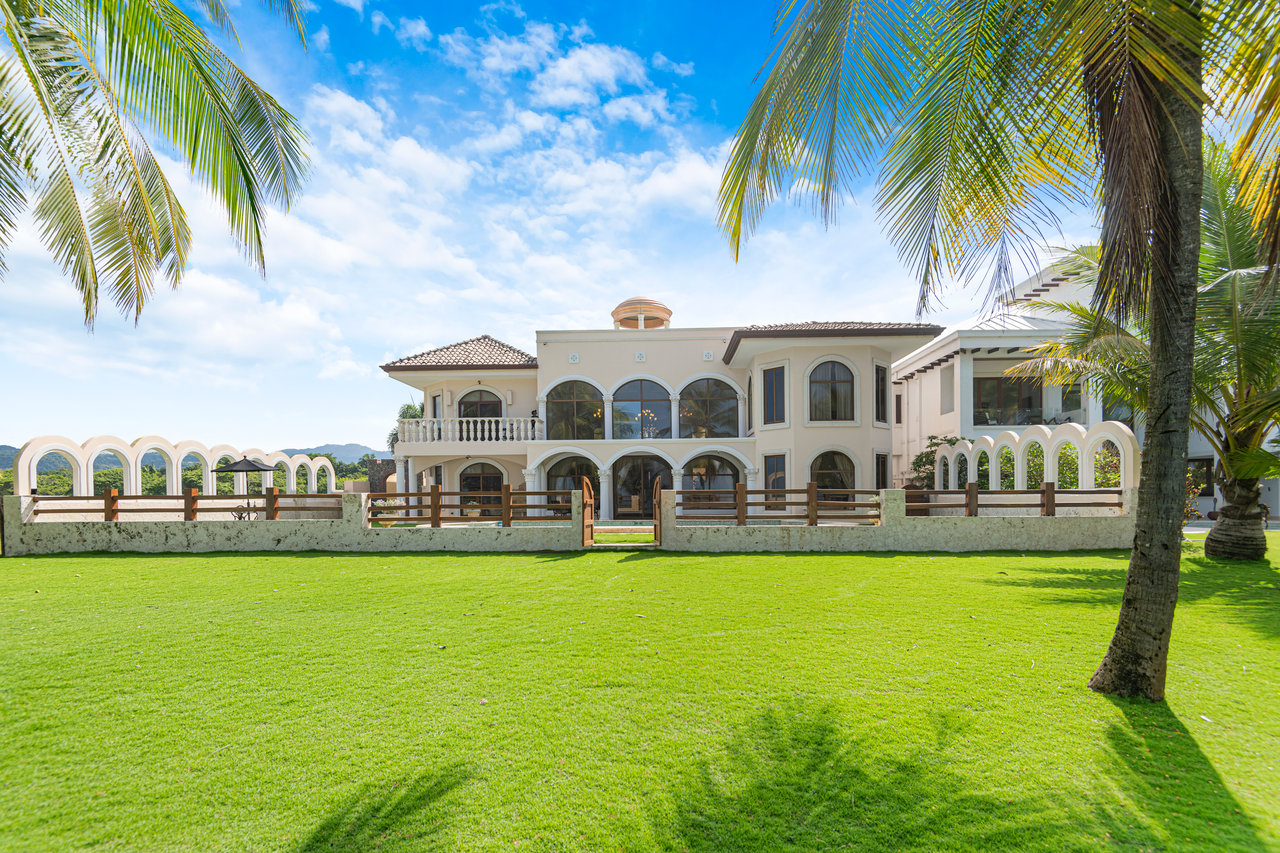
Walking through the grand corridors of San José’s colonial manors or standing atop the cantilevered decks of Guanacaste’s newest glass villas, one witnesses architecture that is as dramatic as our landscape. In Costa Rica, the fusion of historic craftsmanship and avant-garde sustainability has created a real estate market unlike any other in the world.
Key Takeaways
- Uncover the European elegance of late 19th-century coffee baron mansions in Barrio Amón.
- Decode the climate-smart secrets of "Tropical Victorian" and traditional Bahareque construction.
- Analyze the rise of bioclimatic luxury and the "Studio Saxe" influence on coastal modernism.
- Explore the 2026 trends of regenerative landscaping and nearly zero-energy building (NZEB) standards.
The Gilded Legacy of the Central Valley
When we guide clients through the historic streets of San José, we are essentially walking through an outdoor museum of the "Golden Age" of coffee.
Why Barrio Amón Remains the Heart of Historic Luxury
- Use the ornate facades of Barrio Amón to see the highest concentration of "Cafetalero" mansions, featuring marble columns and intricate wrought-iron balconies.
- Make sure to visit the Teatro Nacional, a Neoclassical masterpiece built in 1897, which serves as the architectural anchor for the capital’s historic core.
- Look for the "Tropical Victorian" influence in homes featuring steeply pitched roofs, wide verandas, and decorative "gingerbread" woodwork that allowed for natural airflow.
Traditional Roots and the Bahareque Technique
Long before modern steel reached our shores, the local architecture in Costa Rica relied on the earth itself to provide shelter and comfort.
Decoding the Comfort of Traditional Bahareque
- Use the Bahareque method (a lattice of cane or bamboo plastered with mud and straw) to understand how older homes survived seismic activity through flexibility.
- Make sure to note the "wide-brimmed" clay tile roofs, which were designed to shed our heavy tropical rains while keeping the walls in permanent shadow.
- Look for the "corredores" (covered hallways) that wrap around the exterior, serving as the primary social space and a thermal buffer for the interior rooms.
The Modern Marvels of Bioclimatic Luxury
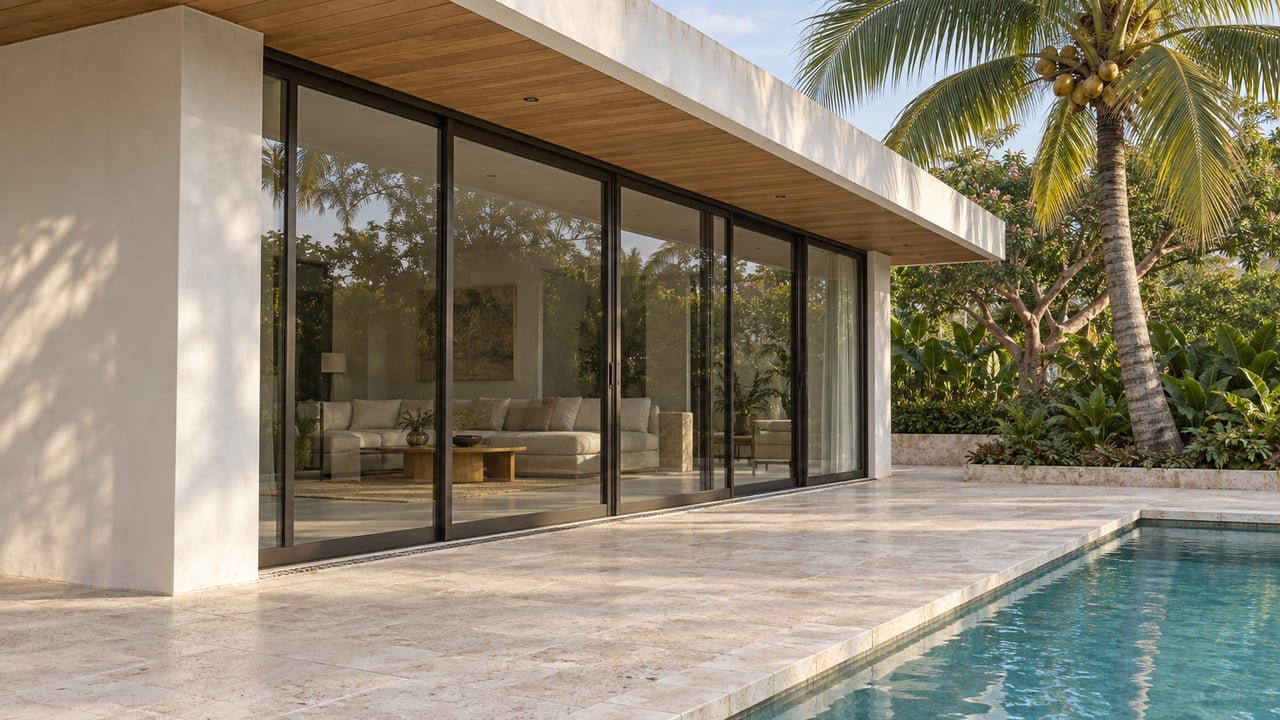
As we move into 2026, the definition of local architecture in Costa Rica has shifted toward a seamless integration with the natural environment. We call this "Bioclimatic Design," where the structure actually works in harmony with the wind, sun, and rain, rather than fighting against them.
Elements of Contemporary Tropical Modernism
- Use "floating" structures raised on pilotis to allow the forest floor and local wildlife to pass undisturbed beneath the residence.
- Look for the use of "Kebony" or sustainably modified woods that offer the beauty of tropical hardwoods without contributing to deforestation.
- Choose a design that utilizes "passive cooling," relying on strategic orientation and cross-ventilation to eliminate the need for mechanical air conditioning.
The 2026 Vision: Essential and Regenerative
The upcoming International Architecture Biennial 2026 in Costa Rica, themed "Essential Architecture," highlights the latest trend we are seeing in the luxury sector: a return to the indispensable.
Trends Shaping the Future of High-End Property
- Use "Regenerative Landscaping" to replace traditional lawns with native edible gardens and pollinator-friendly habitats that require zero chemicals.
- Make sure your new build meets the Nearly Zero Energy Building (NZEB) standards, utilizing advanced thermal insulation and aerothermal cooling.
- Look for "Wellness-Focused" outdoor spaces, such as saltwater infinity pools and open-air yoga shalas, that are built directly into the canyon or cliffside.
FAQs
Is it challenging to maintain historic wooden homes in Costa Rica's climate?
Maintaining historic wood requires specialized care to protect against humidity and pests, but many modern treatments can preserve these heritage structures for decades.
Can modern glass villas be energy efficient in the tropical sun?
Yes, through the use of high-performance Low-E glass and strategic "passive shading" features, such as deep eaves and slatted screens.
What does "Essential Architecture" mean for a buyer?
It means focusing on high-quality, durable materials and a layout that prioritizes your connection to the environment over superficial ornamentation.
Reach Out to Costa Rica Christie's International Real Estate Today
At Costa Rica Christie's International Real Estate, we take pride in our deep understanding of the structural and historical nuances that make a property a masterpiece. Whether you are seeking a piece of history in the Central Valley or a futuristic retreat on the coast, your home should be an authentic reflection of the rich local architecture in Costa Rica.
Contact us today to receive an exclusive portfolio of properties that define the past, present, and future of our nation's design.
Contact us today to receive an exclusive portfolio of properties that define the past, present, and future of our nation's design.